

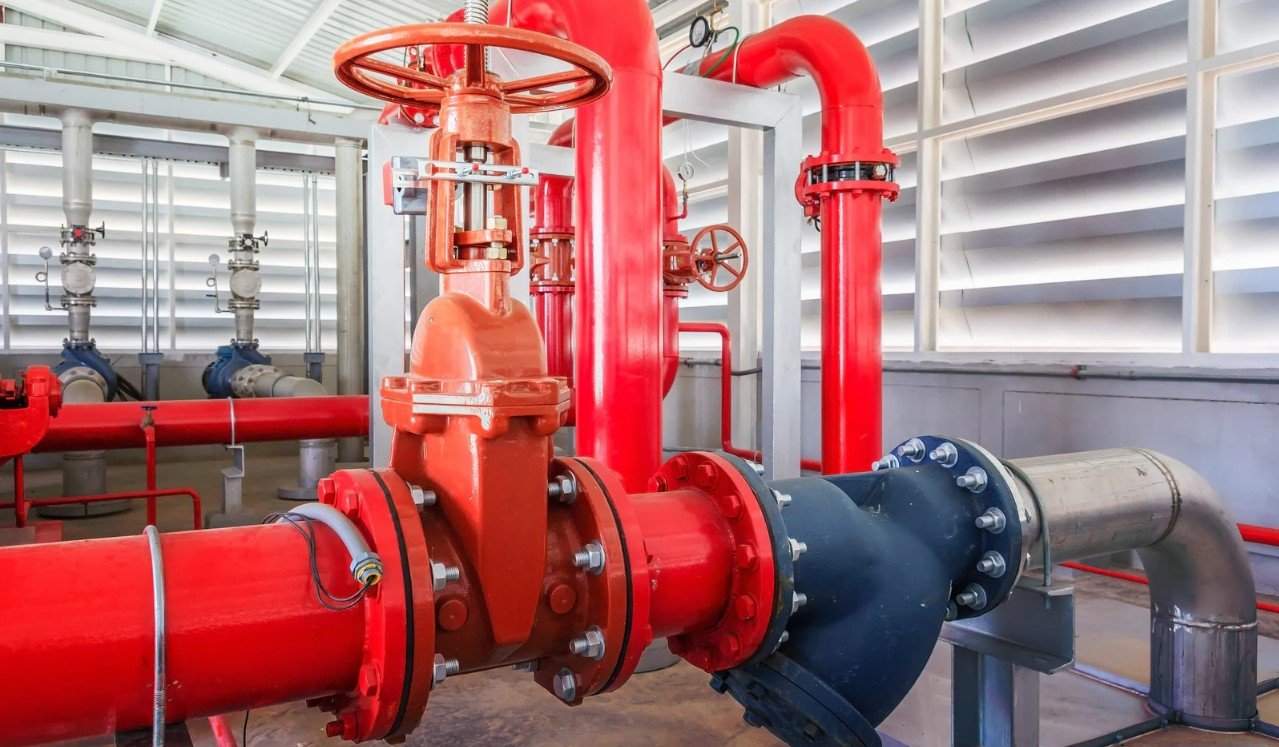
How to Maintain Fire Fighting Pumps for Peak Performance
Fire fighting pumps are critical for ensuring the safety of properties, businesses, and industries. These pumps are designed to provide a rapid and reliable flow of water during emergencies, making them an indispensable part of fire protection systems. However, like any mechanical system, fire fighting pumps require regular maintenance to operate at peak efficiency and ensure they are ready for use when an emergency strikes.
Proper maintenance not only maximizes the pump’s lifespan but also prevents costly repairs and downtime. In this article, we’ll walk you through some essential tips and practices for maintaining fire fighting pumps in top condition.
1. Regular Inspection and Testing
Regular inspection is the first step in maintaining fire fighting pumps. Schedule a monthly or quarterly inspection to ensure that all parts of the pump system, including the motor, valves, and pump casing, are in good working order. The key areas to focus on during an inspection include:
- Pump Operation: Ensure that the pump is running smoothly and without any unusual vibrations or noises. If you hear strange sounds, it could indicate a problem with the bearings, motor, or pump impeller.
- Leaks: Check for leaks in the piping, valves, and pump casing. Even small leaks can reduce the pump’s efficiency.
- Pump Pressure: Test the pump pressure to ensure that it meets the specifications for your building or facility. Low pressure can indicate a problem with the pump’s performance.
In addition to inspections, regular testing of the pump system is critical. Conduct performance tests periodically to confirm that the pump delivers the required flow rate and pressure. Simulated fire scenarios or pressure tests can help verify that the system will work during an actual emergency.
2. Lubrication of Moving Parts
Fire fighting pumps consist of several moving parts that require proper lubrication to function smoothly. Bearings, shafts, and gears within the pump and motor should be lubricated at regular intervals as specified in the manufacturer’s manual. Lack of lubrication can cause increased friction, leading to premature wear and potential failure of components.
Ensure that you use the correct lubricant type and apply it as per the manufacturer’s instructions. Over-lubrication or under-lubrication can both cause issues. Inspect the lubrication system during routine checks to ensure it’s operating as intended.
3. Monitor and Clean Filters
Filters play a vital role in maintaining the efficiency of a fire fighting pump by preventing debris and contaminants from entering the system. Over time, filters can become clogged with dirt, dust, or other particles, which can reduce pump efficiency and potentially cause damage.
Regularly check and clean the intake filters and any other filtration systems in the pump setup. If the filters are damaged or excessively worn, they should be replaced immediately. Clogged or dirty filters can lead to increased strain on the pump and decrease its performance during a fire emergency.
4. Check and Maintain the Water Supply
A consistent and adequate water supply is essential for the optimal performance of fire fighting pumps in pune. Regularly inspect the water tank or reservoir feeding the pump to ensure it is full and free of debris. Any obstructions in the intake line can cause the pump to run inefficiently or fail to supply the necessary water during an emergency.
The suction pipes should be checked for blockages, cracks, or corrosion. Clean and replace any damaged suction lines as needed. Additionally, make sure the water supply is tested for contamination, especially if the pump draws water from a natural source like a river or lake.
5. Test the Control Panel and Alarms
The control panel of a fire fighting pump system is responsible for monitoring the system’s operation and triggering alarms in case of malfunction. It’s essential to test the control panel regularly to ensure all sensors, switches, and alarm systems are working correctly.
The system should be able to trigger visual or audible alarms if the pump is not operating within normal parameters, such as low pressure or lack of water. Additionally, ensure that the control panel is easy to access and free of any physical damage.
6. Keep Pump Area Clean and Uncluttered
A clean environment around the pump and its associated components can go a long way in preventing performance issues. Dust, dirt, and debris can clog filters, impede airflow, and even cause mechanical failures. Ensure that the area around the pump is kept clean and well-organized. Avoid storing materials near the pump system that could obstruct its operation or cause safety hazards.
7. Engage Professional Maintenance Services
While routine inspections and maintenance tasks can be handled in-house, it’s advisable to have a professional fire safety technician conduct a thorough annual service on the fire fighting pump system. These experts are trained to spot issues that may not be obvious during regular checks, such as internal wear, electrical issues, or valve malfunctions. Having a professional service your system ensures that it meets all local fire safety regulations and is in top condition when needed.
Check Also:- Fire Pump Manufacturers in Pune
Conclusion
Maintaining fire fighting pumps in peak condition is essential for the safety and security of your property, whether residential, commercial, or industrial. Regular inspections, proper lubrication, filter maintenance, water supply checks, and professional servicing will ensure your system is always ready to respond in the event of a fire emergency. By following these simple but crucial maintenance practices, you can prolong the lifespan of your fire fighting pump system and ensure it performs optimally when every second counts.